
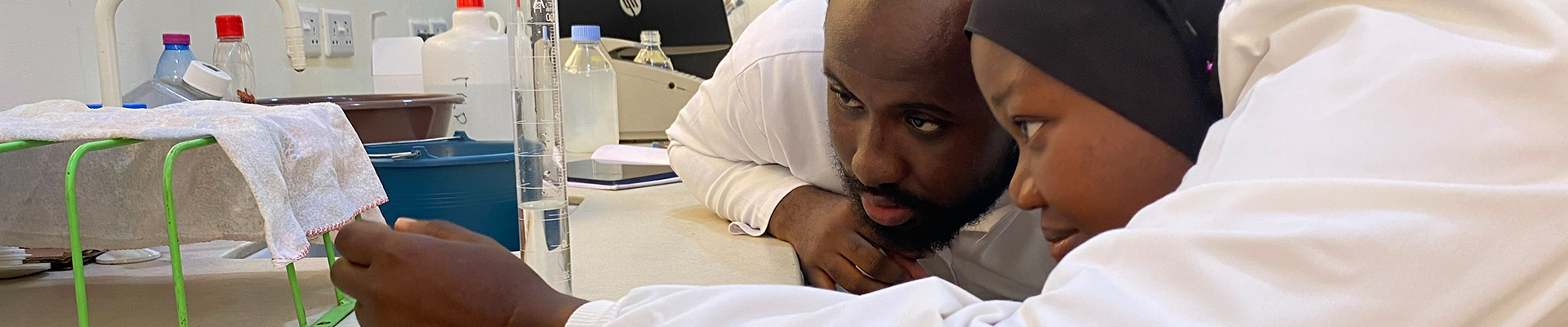
We are interested in the cellular, molecular and immunological biology of malaria parasites and other infectious diseases. Most of our work focuses on the transmission stages of Plasmodium falciparum- gametocytes- which are responsible for spreading the parasite between humans via mosquito bites. P. falciparum causes the majority of malaria episodes in sub-Saharan Africa and is more virulent than other Plasmodium species, causing severe malaria; together with malaria in pregnancy, childhood malaria remains one of the region's leading causes of mortality. We use a range of modern molecular, cell biological, transcriptomic, genomic and immunological approaches to understand fundamental parasite biology and translate this knowledge into targets for disease intervention.
More broadly, our lab is focused on understanding fundamental infectious disease biology and immunology, with a particular emphasis on malaria. Our work centres on two main themes: 1) how human immune cells respond to infectious pathogens such as malaria parasites, in both natural infection and vaccinated individuals, and how serology can be used to detect infection and monitor vaccine responses; and 2) the molecular biology underlying infectious diseases as transmission dynamics shift with climate change, and how molecular diagnostic tools can be used to detect and quantify infections.
At the moment, we are focusing on the following specific research areas: