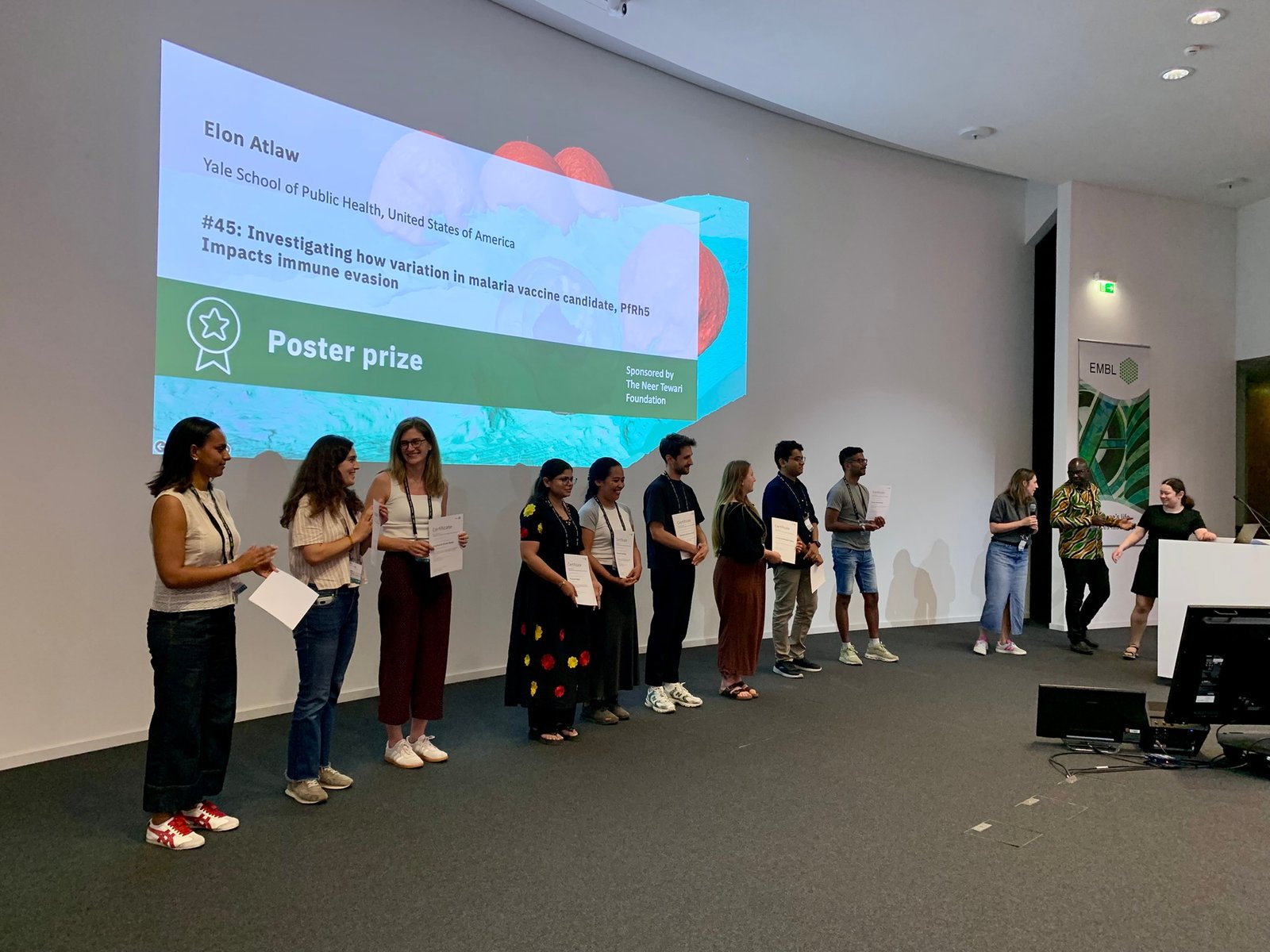
From 27th to 29th May 2026, the European Molecular Biology Laboratory (EMBL) Advanced Training Centre in Heidelberg, Germany, hosted BioMalPar XXII: Biology and Pathology of the Malaria Parasite Conference. The conference brought together malaria researchers, clinicians, and students from across the world, both in person and virtually, to discuss recent advances in malaria research and address challenges affecting global malaria control and elimination efforts. Particular attention was given to emerging drug resistance, parasite biology, host-parasite interactions, and progress towards developing effective malaria vaccines. The conference aimed to showcase cutting-edge discoveries in both basic and translational malaria research, strengthen international collaborations, and provide networking and training opportunities for early-career scientists.
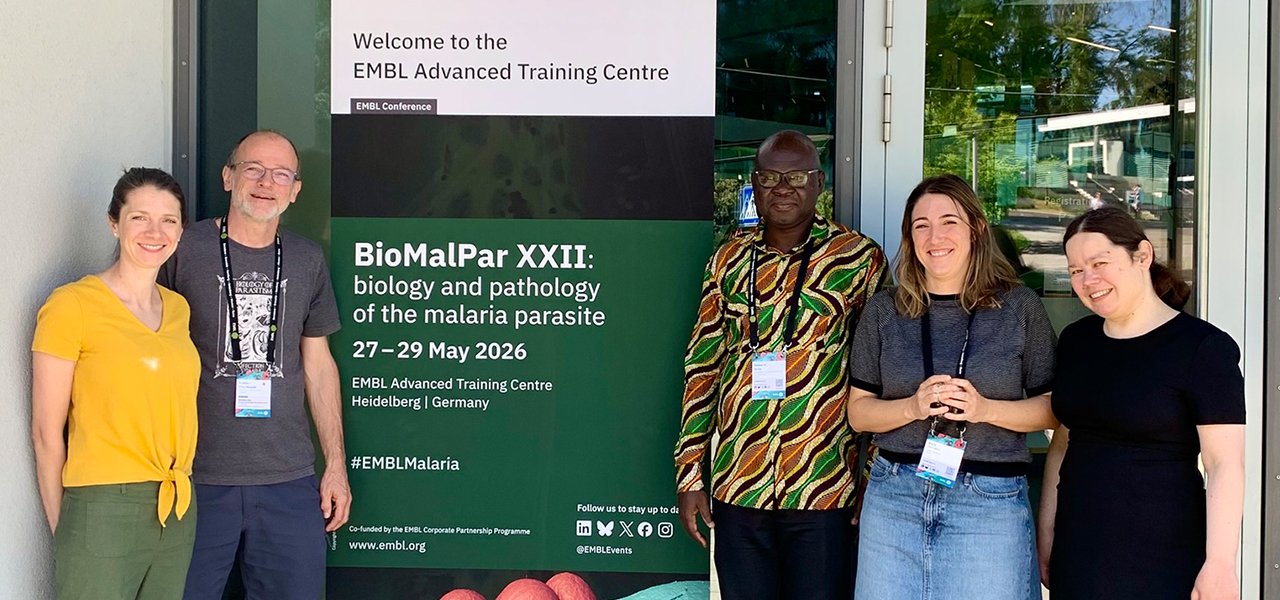
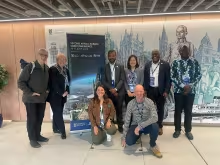
Representing the Department of Clinical Microbiology, School of Medical Sciences, College of Health Sciences, Kwame Nkrumah University of Science and Technology (KNUST), Dr Bismarck Dinko participated as both a scientific contributor and a Conference Scientific Organiser. He worked alongside renowned malaria researchers, including Maria Bernabeu (EMBL Barcelona, Spain), Björn Kafsack (Weill Cornell Medical College, USA), and Kasia Modrzynska (University of Glasgow, UK). His involvement highlighted KNUST’s growing contribution to global malaria research and ensured that perspectives from malaria-endemic regions, particularly Sub-Saharan Africa, were well represented. He is currently a Georg Forster Research Fellow funded by the Alexander von Humboldt Foundation at the University of Heidelberg Hospital, Heidelberg, Germany.
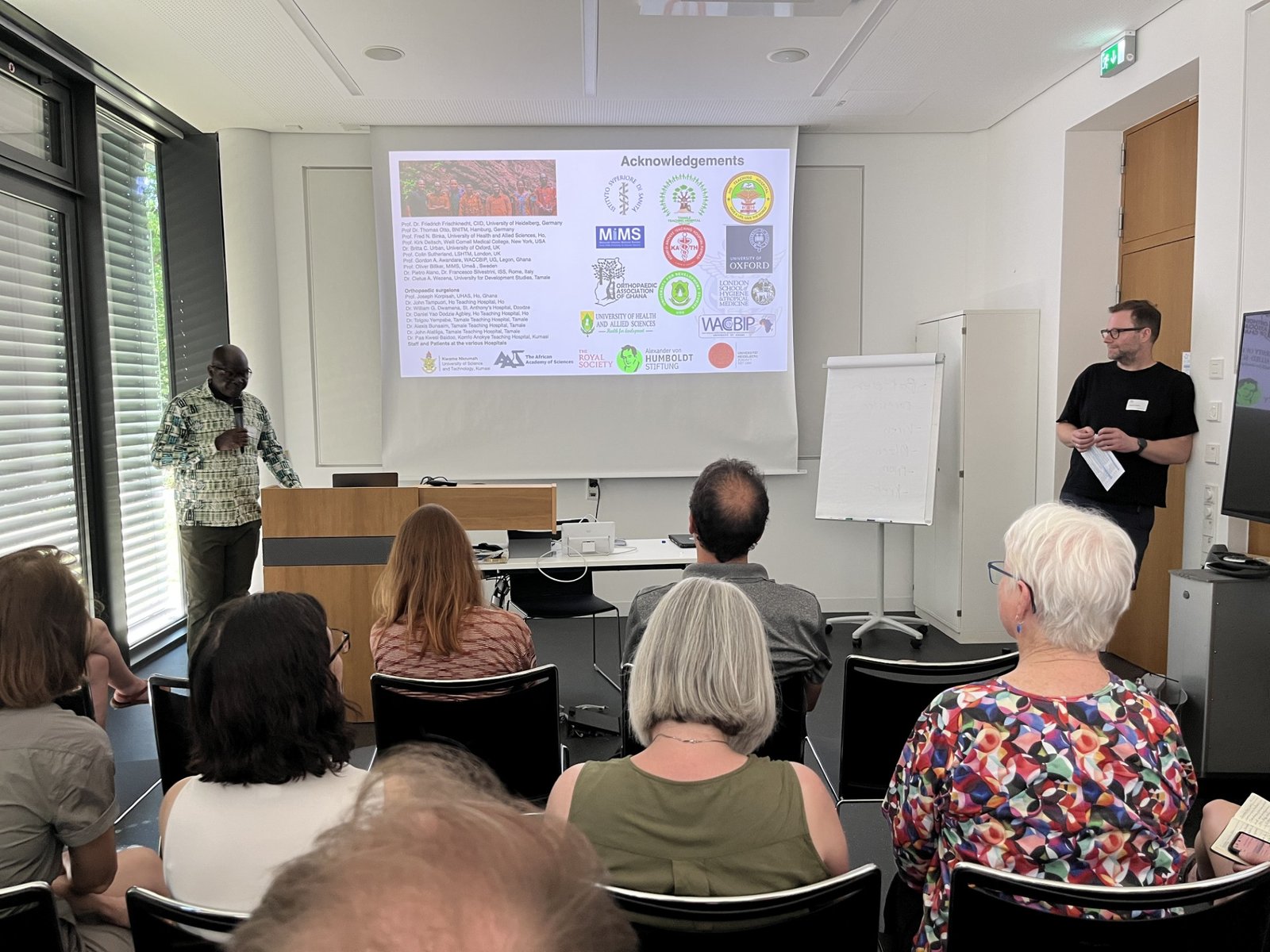
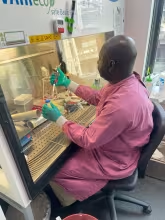
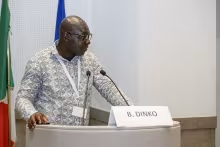
At a pre-conference meeting held on the 26th of May, Dr Dinko delivered a presentation entitled “What Orthopaedic Surgical Waste Can Teach Us About Malaria Parasites in the Human Bone Marrow.” The presentation explored the use of orthopaedic surgical waste as a unique resource for studying malaria parasites within the human bone marrow, an important but relatively underexplored niche in malaria parasite biology. The work demonstrated how innovative approaches can provide new insights into parasite development, disease pathogenesis and transmission.
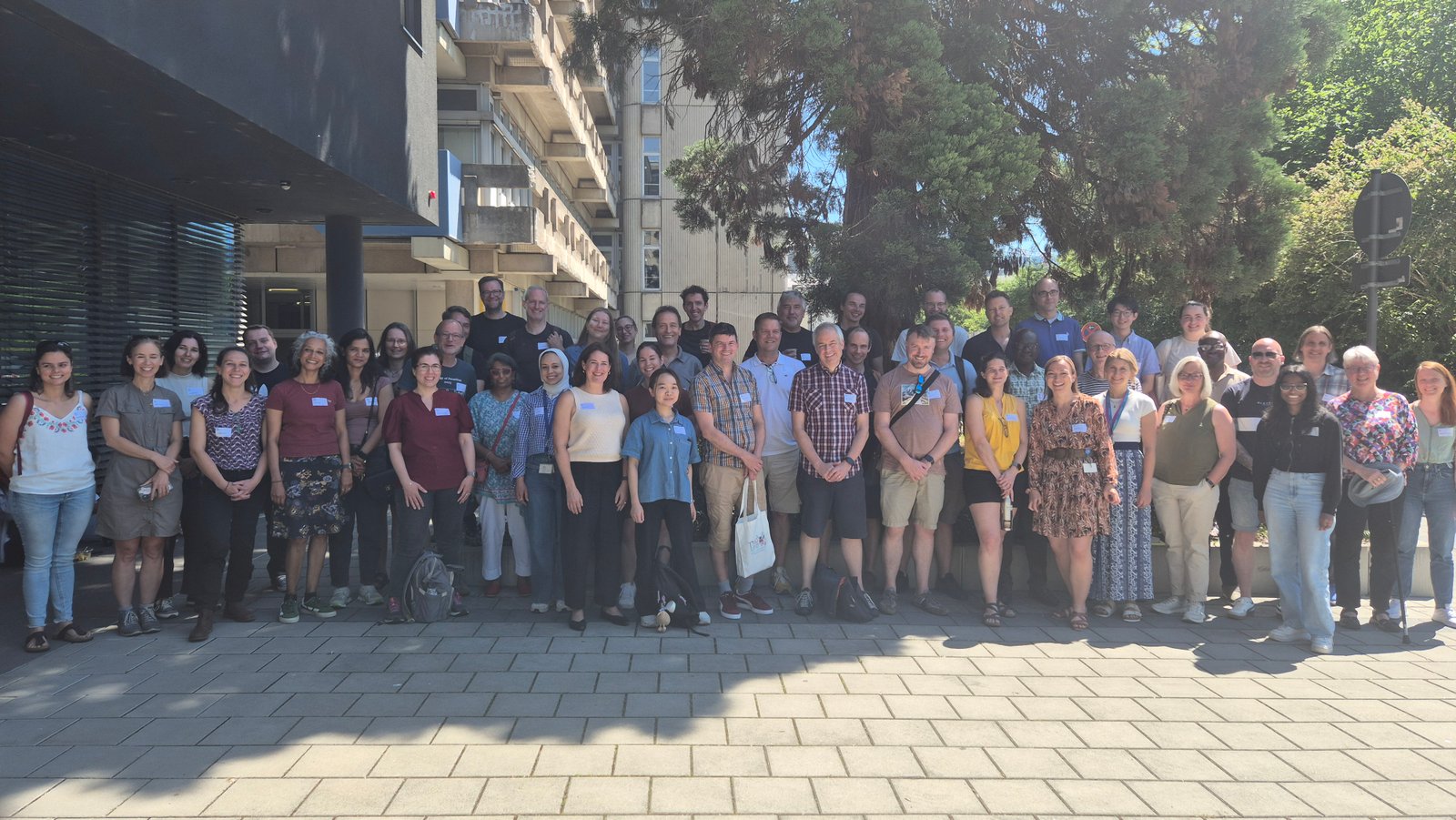
BioMalPar XXII once again demonstrated the importance of international scientific collaboration in tackling malaria. Through partnerships between institutions such as EMBL, Heidelberg University, and KNUST, researchers continue to generate the knowledge and innovations needed to support global malaria control and eventual elimination.