The Alexander von Humboldt Foundation has awarded Dr Bismarck Dinko a Georg Forster Research Fellowship for Experienced Researchers. The prestigious fellowship will support recurring research stays over three years (2026–2028) at the Centre for Integrative Infectious Diseases, Parasitology, Heidelberg University Hospital, Heidelberg, Germany, where he will be hosted by Prof. Dr Friedrich Frischknecht.
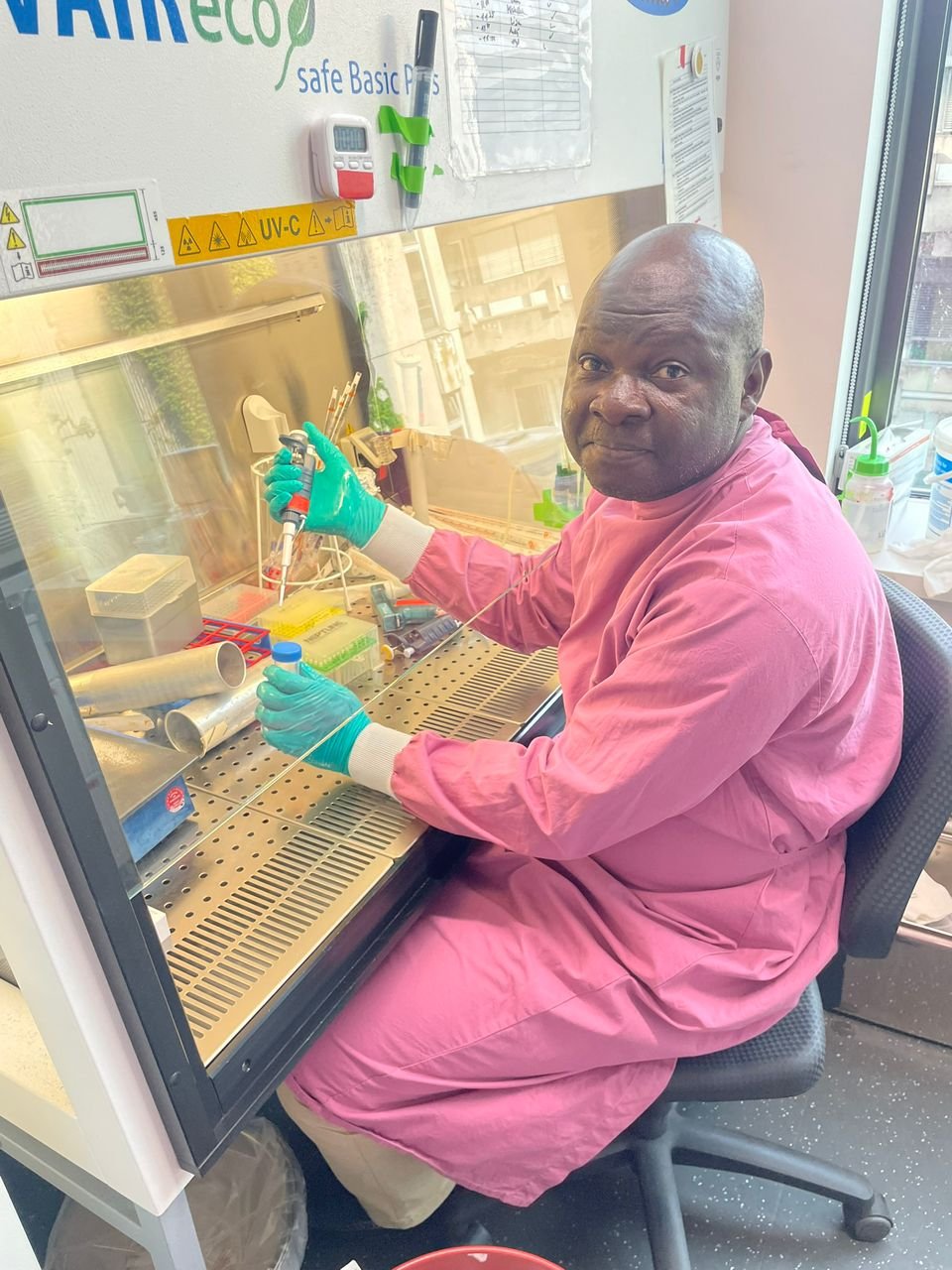
Through the fellowship, Dr Dinko will investigate how malaria parasites adapt differently within the human bone marrow and peripheral blood, with a particular focus on the role of specific genes in the parasite’s asexual and gametocyte developmental stages.
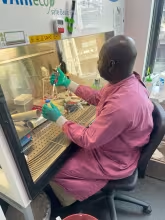
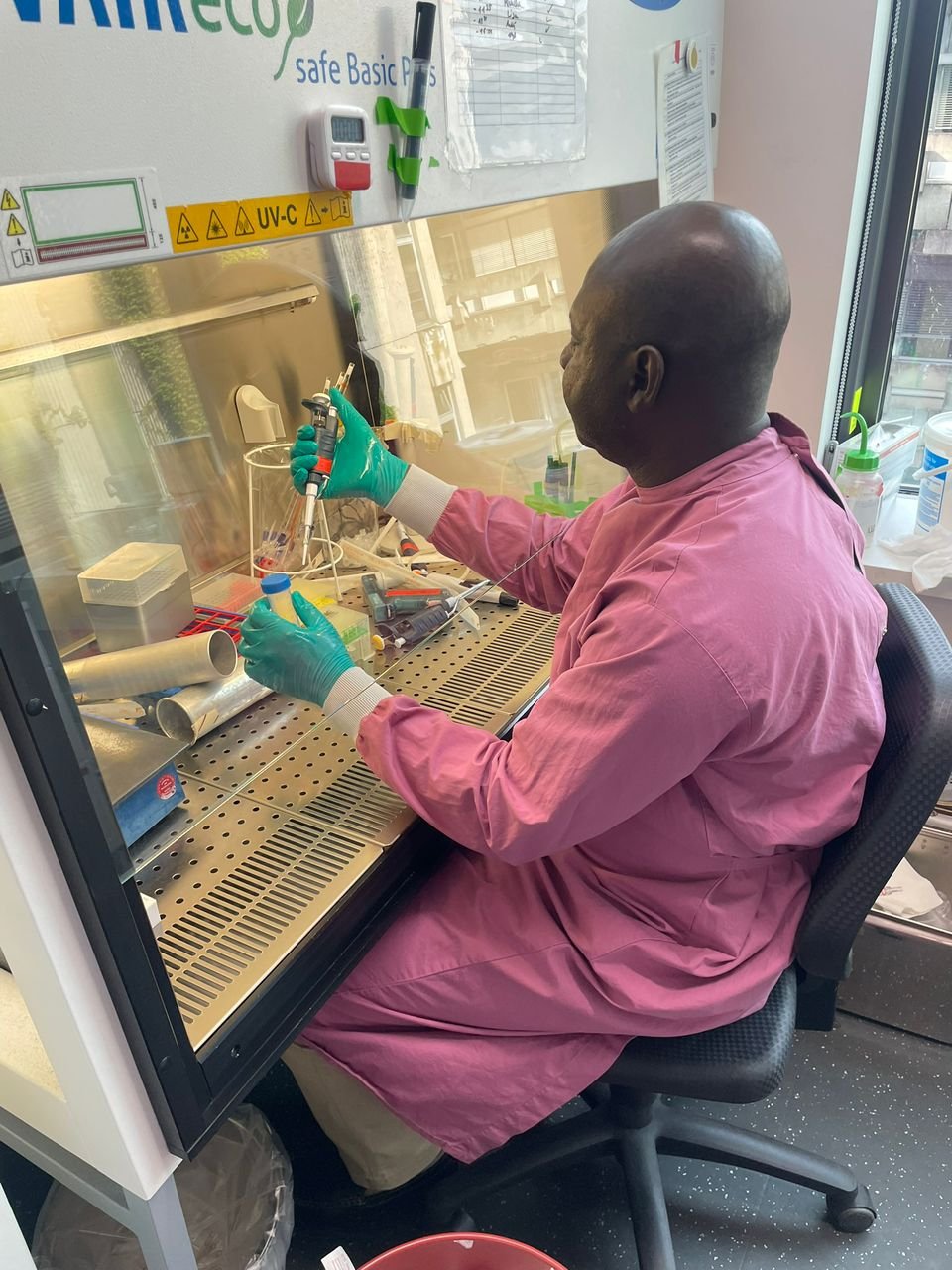
His research will employ two complementary approaches. The first will involve the genetic and phenotypic characterisation of clinical Plasmodium falciparum isolates obtained from the peripheral blood and bone marrow of malaria-infected individuals, using microscopy, flow cytometry, and molecular techniques. The second will focus on generating and characterising slow-growing transgenic P. falciparum isolates, with the long-term goal of contributing to the development of a whole-parasite, genetically attenuated malaria vaccine.
Beyond advancing malaria research, the fellowship will provide Dr Dinko with opportunities to acquire new technical expertise, strengthen his research leadership skills, and build international scientific networks as he develops a new research team at KNUST. The planned research team will bring together Dr Dinko’s research group and a wider network of mid-career researchers from complementary disciplines, including immunology, molecular and cellular biology, vector biology, clinical sciences, and computational science, with infectious disease research at its core.
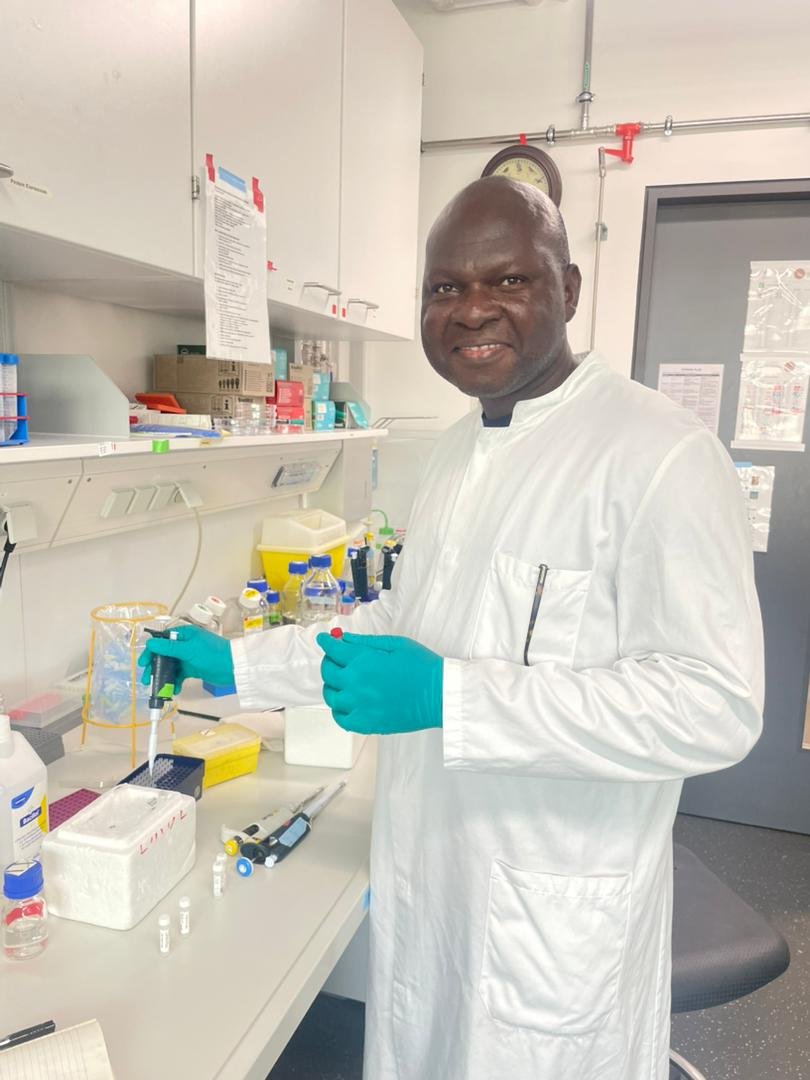
The expertise and networks developed during his research stays in Heidelberg are expected to contribute significantly to the research and training programmes he will establish at KNUST. In particular, expertise in transgenic malaria parasite research, experience in leading an interdisciplinary research team, and strengthened international collaborations will support efforts to advance infectious disease research and capacity building in Ghana.
The fellowship therefore represents not only an important opportunity for Dr Dinko’s scientific development but also a significant step towards strengthening malaria research, interdisciplinary collaboration, and research capacity at KNUST.